A well-lit exterior changes the means a home feels after sundown. Not just from the curb, yet from the porch, the driveway, the patio, and the yard where people actually spend time. Good lights does not scream. It shapes the design, softens darkness, improves safety, and makes average nights feel a little bit even more considered.
That is why interest in Permanent LED Lighting Installation has actually grown so quickly. House owners that when pulled out ladders every wintertime or put up momentary café lights every springtime are currently searching for something extra polished and sturdy. They want a system that functions year-round, blends into the structure, and can change from downplayed beauty on a Tuesday evening to joyful shade during a vacation event. The challenge is obtaining that adaptability without making your house look like a theme park.

The most successful installments begin with restriction. Elegant outside atmosphere is seldom around a lot more fixtures. It is about far better positioning, far better color temperature, and better control. When the system is attentively designed, the house looks finished, not overlit.
The difference in between long-term lighting and seasonal lighting
A lot of individuals hear "Long-term Holiday Lighting" and visualize noticeable tracks, bright shades, and a roofline that just makes sense in December. That version exists, however it is just one slice of what irreversible exterior lighting can do. The category has actually grown. Many newer systems sit discreetly under soffits, put right into trim details, or incorporate along fascia lines so they are virtually unseen throughout the day. At night, they can deliver cozy white building lights for a lot of the year, after that switch over to holiday scenes when the celebration calls for it.
That dual function is what makes the investment sensible. Instead of paying for short-term installs every season or replacing weather-damaged hairs, property owners can utilize the very same framework for day-to-day beauty, protection illumination, amusing, and vacations. In my experience, the house owners happiest with these systems are not the ones that wanted the brightest display. They are the ones who desired their building to look calm, sleek, and simple to live with.
Start with the architecture, not the app
Lighting companies often lead with app functions, color zones, and presets. Those issue, however they should come later. The initial question is always building: what is worthy of light?
A tall gable might benefit from a soft roofline clean. A rock façade might require a reduced, warmer angle to expose texture. A deep front patio can quickly end up being a dark gap unless lights is split beneath the overhang. A modern-day home with clean horizontal lines usually desires precision and restraint, while a traditional home with columns, dormers, and mature landscape design can take care of more deepness and variation.
One of the most common blunders in Permanent LED Lights Installation is treating every house the exact same. A bungalow, a colonial, and a modern farmhouse do not need the very same spacing, outcome, or light beam pattern. If you light all three with the very same template, all three will look a little wrong.
The much better strategy is to recognize the leading visual lines of the home and develop exterior from those. Roofing system tops, eaves, patio light beams, garage surrounds, path edges, and crucial landscape features can interact if they are not competing. Exterior illumination should assist the eye, not pull it in six directions.
Roofline lighting that disappears by day
For most homes, the roofline is the all-natural starting factor. It defines the shape and supplies clean https://wetratedluminaires779.wordcanopy.com/posts/irreversible-vacation-lights-a-hassle-free-means-to-celebrate-every-period continuity. However classy roofline lights relies on concealment. The components, channels, or pixel nodes must be concealed from normal sightlines as high as feasible. If you can stand at the aesthetic in daytime and instantly notice the hardware, the installation usually needs more thought.
Under-soffit positioning often tends to work well because it shields the source and softens the effect. In homes without soffits, trim-mounted channels can still look tidy if they are color-matched and thoroughly straightened. This is where craftsmanship issues. A line that strays also half an inch can become surprisingly apparent, particularly on straightforward modern-day façades.
For day-to-day setting, lots of property owners decide on Classic Warm Soft Lighting in the 2200K to 3000K range, depending on the home's products and existing components. That cozy range flatters block, wood, and natural rock. It likewise really feels inviting instead of commercial. Cooler whites can service specific contemporary homes, yet they are much less forgiving. In a lot of communities, cozy light ages better and blends a lot more gracefully with patio sconces and landscape lighting.
Layering the front entrance for depth
The front door is where beauty comes to be individual. It is the area visitors approach, plans arrive, and member of the family return home at the end of a long day. Yet lots of entrances are either overlit by a solitary extreme component or underlit in a manner that feels gloomy.
Permanent exterior LEDs can assist, but they should not replace every other light. The very best access use layers. The permanent system can define the roofline or patio side while committed sconces, recessed lights, or subtle step lights manage human-scale illumination. This develops measurement. It additionally prevents the flat, washed-out appearance that happens when one system tries to do every job.
I when saw a good-looking two-story brick home where the proprietor had installed a strong direct roofline system and presumed that would solve the dark deck issue. From the road, the home looked outlined magnificently. From the front steps, the deck still felt cave-like. The repair was easy: lower-output recessed containers in the veranda ceiling and warmer bulbs in the side lights. Unexpectedly the house made sense. The lesson was not that the roofline system stopped working. It was that ambient architecture lights and practical entrance lights need to work together.
Landscape combination makes the entire building really feel intentional
Permanent LED systems are commonly discussed as if they belong only on the residence. In truth, some of one of the most classy results come from what occurs past the walls. A roofline alone can feel a little bit detached if the yard drops right into darkness. Even small landscape illumination can connect that gap.
Trees near the front altitude are especially important. A soft uplight on a Japanese maple, olive tree, or mature oak provides the frontage context and range. Reduced course lights can draw the eye from the driveway to the access without turning the walkway into an airport path. Wall grazing on a rock planter or mild light on ornamental lawns can echo the tones of your home lighting and make the scene really feel composed.
The key is equilibrium. If the landscape is dramatically brighter than your house, the architecture vanishes. If your home is much brighter than the landscape, the backyard feels overlooked. The most effective nighttime exteriors have an also visual discussion between constructed and grown elements.
Backyard setting should have a different approach
Front-of-house illumination commonly leans architectural and restrained. The backyard can be softer, lower, and much more intimate. That does not mean laid-back or random. It means the top priorities shift.
A patio area used for dining requirements complementary light at table elevation or somewhat over, not a blast from the roofline. A swimming pool location may need side meaning and security visibility without glare reflecting off the water. A pergola take advantage of hidden straight light put into beam of lights or posts. Exterior kitchens require task lights that is more powerful than lounge illumination, yet not sterile.
This is where irreversible systems can shine, especially when the controls allow separate zones. The cooking area can run brighter while seating locations remain low and warm. During a celebration, the perimeter can be raised for ambience. Late during the night, most of the lawn can dim down while stairs and accessibility courses continue to be visible.
Many house owners undervalue how little light is required in a yard to develop comfort. You do not require to totally light up every corner. In fact, darkness belongs to what makes a lawn feel restful. The trick is to light thresholds, collecting areas, and focal functions while allowing the sides drop away naturally.
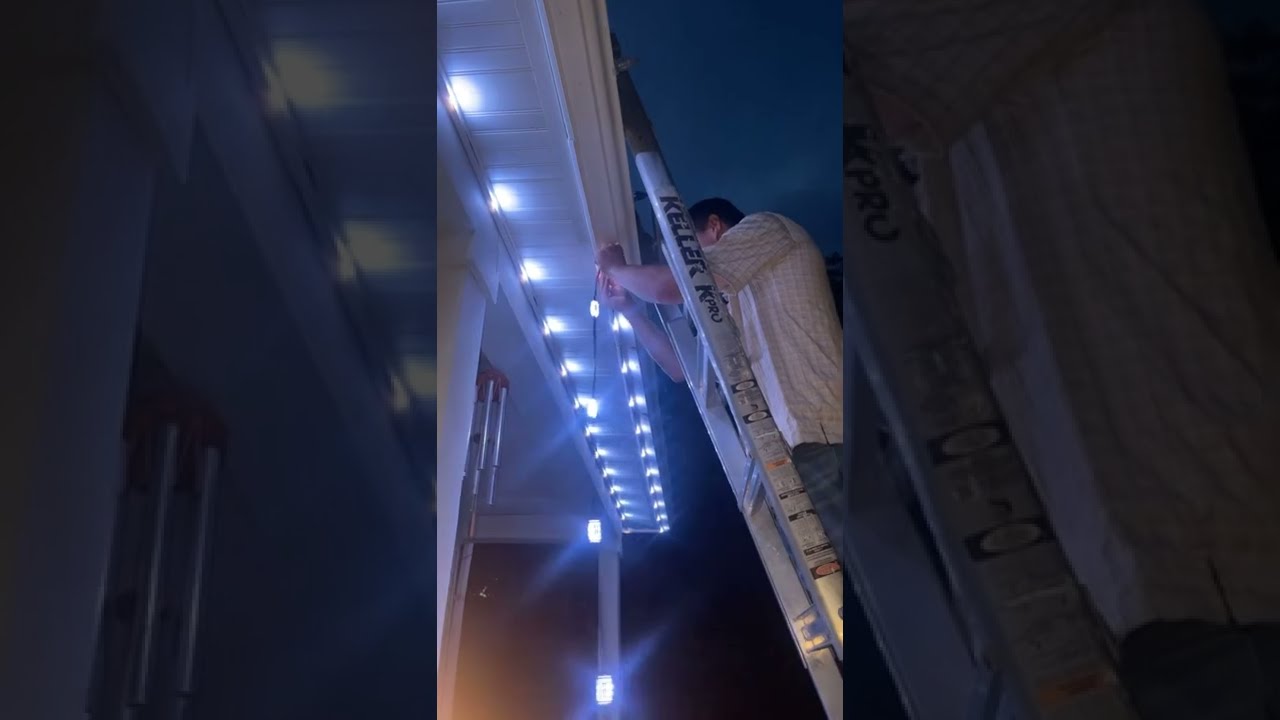
Color must be an accent, not the default
One of the biggest selling points of Permanent Vacation Lights is programmable shade. Conserved, that feature is great. Utilized regularly, it can undervalue the appearance of an otherwise beautiful home.
For most of the year, warm white or extremely soft amber tones produce the most sophisticated outcome. Shade is best scheduled for minutes with a factor behind them: winter season vacations, neighborhood group events, birthday celebrations, graduations, or seasonal occasions. Also then, less shades usually look far better than even more. 2 worked with colors can really feel polished. 5 chasing patterns across every altitude generally do not.
A professional installer must want to speak a client out of specific options. That might sound odd, however great illumination style entails editing. The application may supply dozens of results. Your home only requires a handful that truly suit it.
I have actually seen homes where the owners at first desired every holiday configured with full-spectrum computer animation. After coping with the system for a couple of months, they rarely made use of those presets. What they loved was the every night warm white setting, a soft fall brownish-yellow for outdoor suppers, and a controlled red-green scheme in December. The advanced settings ended up being the faves due to the fact that they made your home look expensive, not busy.
Where long-term systems function specifically well
Some residential properties profit more than others from a permanent option. Big multi-level homes with difficult rooflines often see the clearest benefit because short-lived illumination is tough and costly year after year. Houses with high peaks, steep driveways, or challenging wintertime gain access to also get a safety and security advantage by decreasing seasonal ladder work. Entertaining-focused families appreciate the flexibility, specifically if the exterior spaces are made use of in several seasons.
Older homes can also benefit, however they call for added level of sensitivity. Historic trim details, irregular surfaces, and visible craftsmanship suggest the setup should be discreet. On those jobs, the installing approach is typically as vital as the light output. A bad set up on a lovely older house stands apart immediately.
Warmth matters more than brightness
People tend to go shopping lights by brightness due to the fact that it really feels quantifiable. Yet the emotional high quality of outside illumination comes much more from warmth, distribution, and contrast than from raw outcome. A brighter system is not always a better one.
Classic Warm Soft Lights stay prominent for a factor. They flatter skin tones at the front door, they match natural materials, and they aid homes feel inhabited rather than just displayed. In practical terms, they likewise generate much less visual tiredness. Neighbors value them more. Visitors stick around more comfortably. And from inside, watching out into a warmly lit exterior feels calmer than looking at a cold white perimeter.
Brightness still has its place. Driveway transitions, side-yard access courses, and step sides may need more powerful illumination for safety. But those locations should be attended to with intention, not by around the world increasing the result of the whole system.
Controls can make or damage the experience
A gorgeous lighting installment declines quickly if it is annoying to make use of. Home owners need to have the ability to set scenes, schedules, and seasonal adjustments without needing a hands-on whenever. The most effective systems provide straightforward control for daily use and much deeper modification for individuals that want it.
At a minimum, it assists to assume in terms of zones. The front altitude, access, backyard enjoyable area, paths, and accent attributes must not all be looped with identical behavior. A peaceful weeknight setup may call for subtle front and course lighting only. A vacation event might expand to consist of the yard and color accents. An away setting could keep the front energetic while limiting everything else.
Reliability issues as much as attributes. Exterior systems endure warm, moisture, plant pollen, dust, and cold problems. Controllers, connections, and power materials need weather condition security and practical positioning. It is rarely the LED itself that triggers stress initially. Regularly it is a weak connection, an improperly secured component, or a control interface that was oversold and under-tested.
Installation information that divide great from excellent
There are a few information that skilled installers pay close attention to since they affect the search for years afterward. Color-matched networks and fasteners are one. Cord management is an additional. Service matters also. If an area needs upkeep, can it be accessed easily without interrupting the rest of the run?
Spacing is a major decision. Broader spacing can decrease visual density and price, however might develop populated factors of light instead of a smooth line, particularly on bigger homes. Tighter spacing can look richer, though it may be greater than a moderate façade needs. The ideal answer depends on seeing range, building range, and whether the system is mostly utilized for cozy white sophistication or for computer animated holiday effects.
Here are a few sensible concerns worth responding to prior to installment starts:
Where will certainly the hardware be the very least visible in daylight? What cozy white setup will be the day-to-day default? Which areas require independent control zones? How perseverance supplies and controllers be secured and accessed? What parts of your house must remain dark for contrast?Those questions appear simple, yet they stop numerous expensive dissatisfactions. The objective is not just to get lights onto the house. The goal is to make the home look much better every night.
Matching style to home type
Different architectural designs respond differently to irreversible lights. On a contemporary home, also spacing and a tidy hidden line can highlight geometry perfectly. On an artisan or farmhouse, a somewhat softer treatment with cozy tones and supporting patio lighting generally feels a lot more all-natural. Mediterranean and seaside homes commonly benefit from a golden warmth that plays well with stucco and floor tile. Block colonials can look majestic with controlled roofline focus and very carefully lit trees instead of aggressive outlining.
This is one area where showroom trials can be deceptive. An intense computer animated display screen may look amazing on a sample board or in a sales video, but what matters is exactly how the light rests on your actual home after dark, from several angles, in all seasons. Mockups or short-lived test areas can be extremely beneficial. Also a single night trial on one roofline sector can reveal whether the color temperature or node spacing feels right.
Budget assumptions and where to invest wisely
Costs vary commonly based upon linear footage, home elevation, system kind, and labor problems. A single-story home with easy eaves is an extremely different job from a tall custom home with numerous heights, stone detailing, and incorporated landscape zones. Rather than chasing the most affordable quote, it aids to comprehend where cash is well spent.
Concealment, weatherproofing, control top quality, and clean installment labor are normally worth paying for. Those are the elements you observe gradually. A deal system that looks unpleasant in daylight or stops working at the first power supply problem is not a deal. On the other hand, not every task requires one of the most innovative computer animation package or the densest pixel matter readily available. If the main goal is classy year-round atmosphere, purchasing cozy white efficiency and visual nuance usually matters greater than acquiring every feature.
The understated look lasts
Outdoor illumination fads reoccur. Extremely trendy whites had a wave. Overly intense soffit lighting had one too. So did color-every-night novelty. The installations that age best are the ones that value the house and the neighborhood.

A permanent system ought to make the residential property really feel even more total on a normal evening in April, not just a lot more cheery in December. When home owners select Permanent LED Lighting Installation keeping that mindset, they normally make better choices regarding placement, strength, and controls. They pick Timeless Warm Soft Lights as the standard. They use color with purpose. They let some areas remain dark. They think of the experience from the walkway, from the driveway, and from the favored chair inside the living room.
That is where sophisticated exterior setting truly begins. Not with excess, but with self-confidence. Not with the loudest impact, yet with the most taken into consideration one. A home that shines delicately after sunset, welcomes people in, and silently highlights its finest features will outlive virtually any pattern. And unlike temporary arrangements that reoccur with the season, a well-designed long-term illumination system enters into the architecture itself, beneficial, stunning, and easy to enjoy every night of the year.