Permanent holiday lighting used to carry a certain visual penalty. You either lived with apparent plastic tracks and visible cables year-round, or you climbed ladders every period and began again from scratch. That compromise has actually transformed. The most effective modern systems are designed to vanish right into the architecture when they are off, after that provide you crisp, regulated light exactly where you want it when they are on.
That difference matters greater than many house owners expect. A roofline is among the greatest aesthetic attributes of a home. It specifies form, proportion, and curb allure from the road. If lighting interrupts that line, your house looks hectic. If the system follows it cleanly and silently, the lights feels intentional, almost built in. The outcome is much less like seasonal decoration and even more like an exterior style upgrade.
After seeing these systems on whatever from compact cattle ranch homes to steep two-story gables with complicated fascia information, one thing becomes clear: the success of permanent holiday lights has less to do with illumination and more to do with restraint. Great design conceals the hardware, respects the roofline, and uses shade and positioning with discipline.
What "seamless" actually looks like
When homeowners state they desire permanent holiday lights that blend in, they usually indicate 2 points at once. First, they do not intend to see the system throughout the day. Second, they do not want the nighttime result to look harsh, dotted, or exaggerated. Those are related, however they are addressed in various ways.
Daytime invisibility comes down to mounting location, track shade, cord administration, and just how well the installer reads the house. Nighttime elegance comes down to diode spacing, beam of light angle, brightness control, and shows. A system can be virtually unnoticeable in daytime and still look low-cost at night if the light is too blue, too extreme, or poorly spaced. On the other hand, even a small arrangement can look fine-tuned if it throws a soft clean under the soffit and follows the lines of the home cleanly.
That is why the expression Permanent LED Illumination Installation must mean more than simply attaching lights to trim. It must suggest a customized installment that deals with the home as a finished surface, not a convenient area to attach hardware.
The roofline sets the rules
Every house informs you where the lights need to go if you recognize just how to review it. Straight eaves on a colonial or craftsman home act differently than the broken tops and valleys on a contemporary country construct. Deep soffits produce softer mirrored light. Superficial overhangs commonly require more mindful angle control. Dark fascia conceals parts better than intense white trim, however white trim can look extremely clean when the channel is shade matched correctly.
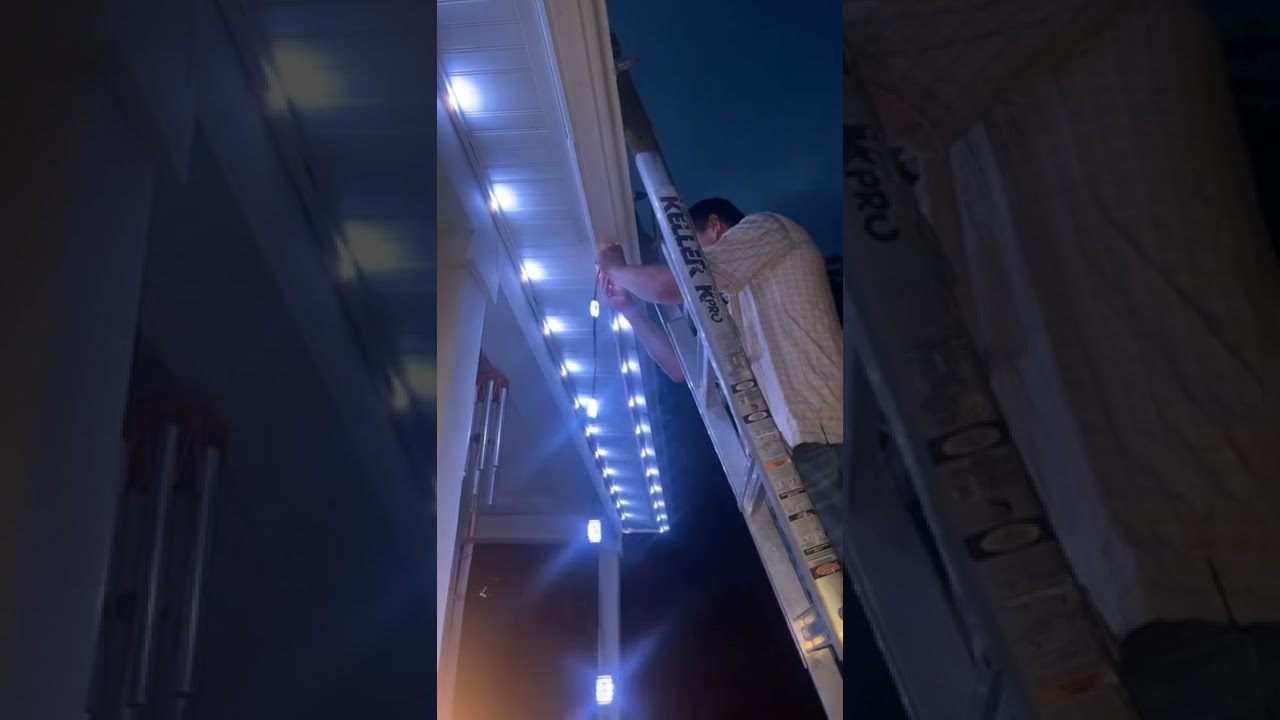
The finest installations normally place the fixtures under the soffit or just behind the fascia line so the light jobs exterior without revealing the specific diodes from the road. That concealed placement is what offers the roofline a glow instead of a string-light look. It is subtle when off, architectural when on.
On some homes, specifically those with little overhang or unusual trim information, there is no perfect global placing point. That is where experience shows. An installer may need to shift placement somewhat to maintain proportion from the street, even if the dimensions are not the same area by section. Aesthetic positioning matters greater than mathematical pureness. A house is evaluated by the eye, not a tape measure.
I have actually seen one-story homes where a quarter inch distinction in reveal made no sensible difference, and I have actually seen front gables where a little incongruity shouted from the curb. Rooflines amplify tiny blunders. That is why a smooth outcome depends on mindful layout before a single clip or track goes up.
Why shade temperature matters greater than numerous purchasers realize
A lot of individuals first buy permanent lights by checking out color options and application features. Those are enjoyable, yet the everyday worth often originates from the most basic setup: a cozy white that flatters the home.
For many residential or commercial properties, particularly block houses, stone exteriors, typical house siding colors, and homes in well-known communities, Classic Warm Soft Lights have a tendency to look better than icy white or very saturated colors. Cozy light draws out appearance in block and wood, softens darkness, and really feels extra welcoming https://fixedluminaires003.opalvector.com/posts/traditional-warm-soft-lights-the-classic-try-to-find-permanent-led-illumination-installation from the street. It additionally stays clear of the commercial appearance that can occur when LEDs are too cool.
That does not mean cozy light is constantly the appropriate solution. Sharp modern homes with black windows and crisp lines can bring a cleaner, cooler white without sensation clean and sterile. The factor is that the home itself should direct the lights palette. Not every home requires the very same "holiday" appearance. In fact, one of the most appealing irreversible vacation lights typically invest most of the year doing downplayed jobs: a soft amber radiance for outdoor suppers, refined team colors on game day, mild white for evening aesthetic charm, and then fuller scenes during the holidays.
Brightness issues just as long as shade temperature level. Lots of home owners are stunned by how little outcome they in fact require. LEDs can be extreme. What looks joyful in a product demonstration can look blazing on a peaceful household street. Lowering control is important. A house that glows beautifully at 30 percent commonly looks much better than one blasting at 100 percent.
The equipment need to disappear
If you can spot the system from the driveway at noon, the installment missed out on the brief.
A tidy install relies on numerous small choices collaborating. The channel or track must match the soffit or fascia as carefully as possible. Fasteners need to be discreet and ideal for the product. Wires need to be tucked, concealed, and transmitted with a strategy, not draped where the trim changes instructions. Corners should look calculated, not required. Transitions around peaks, returns, and gutter sections need to maintain straight aesthetic lines.
This is where cheaper systems often offer themselves away. The LEDs might function great, but the sustaining equipment resembles an afterthought. Noticeable loops of cable, irregular spacing, and tracks that do not rest flush versus trim create a pieced-together look. It is difficult to call that long-term lights. It looks short-term that never came down.
A professional Permanent LED Lighting Installation must make up greater than simply electric operation. It should make up weather condition direct exposure, development and contraction, drain near seamless gutters, accessibility to power, controller placement, and what the system looks like from five different angles in daylight.

There is additionally a practical difference between hiding lights and hiding issues. If a part ever before needs solution, the system must remain easily accessible. The cleanest setups conceal the equipment without making upkeep a frustration later.
Matching the lighting style to the architecture
One of the most significant errors I see is selecting a lighting result that battles the house. The roofline might be elegant and controlled, however the shows is loud and agitated. Or the home may be playful and contemporary, however the placement is so shy that the aesthetic impact disappears.
Traditional homes generally take advantage of steadier scenes, warmer tones, and softer changes. Historic-style facades, dormers, and comprehensive trim rarely need aggressive activity effects. The style already gives rhythm. The lights must sustain it.
Modern homes can endure a lot more contrast and sharper shade moments, specifically if the lines are basic and the products are smooth. Even after that, technique issues. A strong red-green cycle might help a few December evenings, however it can quickly overpower a thoroughly created exterior.
Homes with multiple front-facing gables are a grandfather clause. They usually tempt overlighting since there are a lot of sides to map. Yet describing every line just as can flatten your house. Sometimes the far better step is to emphasize the major roofline and let additional peaks play a sustaining role. That keeps the home readable from the street.
A great installer will have viewpoints about this, which is normally an excellent indication. You do not desire somebody who simply claims yes to every feasible positioning. You desire somebody who recognizes proportion.
Installation details that make or damage the last look
There is a huge distinction between "lights attached to the house" and a system incorporated with the house. The gap is made up of details.
The first detail is spacing. Larger spacing can reduce visible mess throughout the day, however it might develop patchy light during the night. Tighter spacing can boost the visual line after dark, however just if brightness is controlled. On homes with lower eaves and brief obstacles from the road, too much spacing or too much output ends up being evident really quickly.
The second information is angle. Some fixtures wash light versus the fascia and soffit, while others job much more exterior. A small change in angle can determine whether the result really feels soft and architectural or sharp and dotted.
The 3rd is connection at edges and optimals. These are the locations where hurried work turns up. Straight runs are very easy. Corners expose the installer's practices. A clean corner maintains the aesthetic rhythm constant and prevents awkward spaces. On complex rooflines, keeping even spacing via shifts needs preparation, not improvisation.
The 4th is power and control placement. The cleanest-looking installation can still really feel unfinished if the controller box is mounted where everyone can see it. Exterior tools must be safeguarded, available, and discreet.
The fifth is calibration after installation. Many systems provide numerous colors, yet the valuable work takes place in the very first hour of configuration: setting default illumination, selecting a credible warm white, stabilizing scenes throughout roofing areas, and making certain one run does not show up brighter than another. This action is commonly undervalued. It should not be.
A brief word on materials and climate
Permanent vacation lights live outdoors all year. That sounds obvious, yet purchasers often shop as if they are selecting an interior gizmo. Climate places genuine stress on products. Heat can affect adhesive-backed services. Freeze-thaw cycles tension bolts and networks. Wind tests any area that is not placed firmly. UV direct exposure exposes economical plastics quickly.
If you reside in an area with solid sun, coastal moisture, heavy snow, or rapid temperature level swings, ask specifically exactly how the system stands up in those problems. Ask what parts are more than likely to put on first. Ask just how repair services are dealt with if an area falls short. A great response will certainly sound useful, not theatrical.
There is no outdoor system that is entirely maintenance cost-free for life. Durable is not the like immortal. The objective is a system built from weather-appropriate parts and installed with sensible assumptions. On a well-executed task, you may go years with only periodic app updates or the rare service telephone call. On a hurried task, the weak points usually reveal themselves within the initial season or two.
Where long-term holiday lights make one of the most sense
These systems are not for everybody, however they address a particular collection of troubles effectively. They are especially attractive for home owners that are tired of ladder job, have tough roof accessibility, or desire an extra polished exterior without seasonal headache. Two-story homes, steep-pitch roofing systems, and residences with complex front altitudes are frequently the greatest candidates since the initiative of traditional decorating is high and the visual benefit of an irreversible system is significant.
They additionally attract people who want more than Xmas lighting. That wider use situation matters. If the system only comes to life for a couple of weeks in December, the value formula can really feel narrow. If it works as year-round accent illumination for gatherings, parties, subtle safety presence, and everyday curb charm, the financial investment makes even more sense.
The property owners who end up happiest with long-term holiday lights are generally the ones that desire versatility yet prefer downplayed outcomes a lot of the moment. They value options, yet they do not want their home to appear like a permanent event venue.
Questions worth asking before you commit
A fast item trial can be influential, yet installment quality establishes whether you like the system in three years.
Here are a couple of concerns that punctured the sales language:
Where precisely will the lights rest relative to the fascia and soffit, and will certainly I see the components from the street during the day? Can the track or channel be matched closely to my trim color? What does the cozy white setup look like on my details outside materials? How are edges, optimals, and cord shifts dealt with on a residence with my roofline? If an area stops working, how is it serviced without interrupting the surrounding runs?Those concerns tend to reveal that is marketing an item and who is intending an installation.
The value of seeing a system on an actual house
Showroom demos and brief on-line clips seldom tell the entire story. When possible, watch a finished installment on a home that resembles yours stylishly or shade. Look at it in daytime first. Stand nearby. Walk the driveway. Notification whether the equipment captures your eye. After that look once again after dark and pay attention to the texture of the light, not simply the uniqueness of the colors.
This is frequently where house owners change their mind about what they want. A brilliant great white that seemed crisp on a phone display may really feel raw on genuine home siding. A brilliant shade chase result that looked amazing in a promo video might really feel as well active on a quiet household block. By comparison, cozy dimmed roofline lights commonly looks much better face to face than it performs in media since its appeal is subtle.
If you are evaluating Permanent Holiday Lights for your own home, count on the road view greater than the application user interface. The application issues, but nobody courts your home by your phone.
Cost, and what you are really paying for
Pricing varies widely by region, roof intricacy, item kind, and installer experience. An easy one-story front elevation can land far below an intricate two-story wrap with several tops and long runs. What matters is comprehending what the quote includes.
You are not simply paying for LEDs. You are paying for style judgment, color-matched materials, secure accessibility, tidy routing, weather-ready mounting, electric integration, setup, and support. On complex homes, labor and workmanship are frequently the actual worth. A less expensive quote can be completely sensible, however it can also indicate faster ways in concealment, track top quality, serviceability, or finish.
When comparing bids, focus on what the system will certainly resemble when it is off. That is the condition it will certainly remain in most of the year. A sleek nighttime demo does not make up for daytime clutter.

The most usual mistakes house owners regret
A few patterns come up again and again, and a lot of are avoidable.
- Choosing a system based on app functions before confirming just how invisible it looks in daylight Installing lights too revealed on the fascia, where the private nodes remain visible from the street Using brightness levels that overpower the style as opposed to complement it Treating every roof covering edge equally, which can make a home look flat and extremely busy Underestimating the significance of warm white adjusting and winding up with a cool, commercial feel
These are not tragic mistakes, but they are the factors some long-term lights tasks look personalized and others look generic.
A roofline ought to still look like a roofline
That may appear evident, yet it is the very best test for whether a system is working. When the lights are off, the roofline needs to check out easily and naturally, without a noticeable layer of equipment competing for interest. When the lights get on, the style needs to still lead. The lighting needs to expose the form of your home, not replace it.
That is the actual promise of a well-executed irreversible lighting system. It gets rid of the seasonal labor, yes. It adds comfort and programmability, yes. However the much deeper worth is aesthetic. It offers property owners a way to commemorate, delight, and raise visual charm without jeopardizing your home itself.
The strongest projects are the ones that reveal restraint. They utilize camouflage, cautious placement, and attentively picked setups to make the lights feel like part of the home. That is specifically real when the system leans right into Classic Warm Soft Lights for everyday use and saves the significant results for the minutes that ask for them.
If your goal is a residence that really feels polished in December and classy in July, smooth integration with the roofline is not a small detail. It is the whole job.